Author: sopheeenderson310 (Page 3 of 3)

Classroom Takeaways #2

The last couple of weeks have been so much fun! Unfortunately, I had to miss doing the Wolves in the Walls VR activity because of car problems. However, the previous week, we had practiced in class, and it was my first experience with VR. The best word I have for it is “trippy!” I had never experienced such a strange combination of sensory loss and heightened awareness before—my vision and hearing felt incredibly sharp, yet at the same time, I felt strangely disconnected from my body and physical surroundings. It was an odd but exhilarating sensation. I can definitely understand how some students (especially younger) might find it disorienting or even uncomfortable, but at the same time, it’s such an exciting and immersive experience. I really wish I could have participated in the full activity with the students at GT, but I’m grateful that I at least got to try it out in class.

The following week was another first for me – creating my own teaching resources! We were in another Kindergarten class, and I had the opportunity to lead my own literacy centre. To prepare, I designed a worksheet using Canva, which ended up being a much more time-consuming task than I had anticipated. I quickly realized that I still have a lot to learn about the platform. For example, I struggled with resizing a text box and eventually gave up, opting to create my own lines instead. Looking back, I probably made the entire process harder for myself than necessary. 

The goal of the worksheet was to help students connect images to three-letter words by placing the correct letters in a box below each picture. One of the trickier parts was making sure that the words I chose only included letters the students had already learned. After some trial and error, I finally got everything to work and ended up creating four different worksheet variations. Some of the words had letters pre-filled to provide a bit of support, while others required the students to figure them out on their own.

During the activity, I was inspired by Adrienne Gear’s Powerful Thinking and made a conscious effort to model my own thought process for the students. Rather than simply telling them what to do, I verbalized my thinking: “Hmm, I see a picture of a cat. I know ‘cat’ starts with /c/—what letter makes that sound?” By slowing down and sharing my reasoning step by step, I noticed that students became more engaged in figuring out the missing letters on their own. They started listening more closely to the sounds in words and applying their phonemic awareness to the task, rather than just guessing. Seeing them develop confidence in their own thinking was incredibly rewarding.

I was beyond thrilled with how successful the lesson turned out to be! The students were super engaged, and I could see their excitement as they worked through the activity. The best part was once they finished, a few of them decided to create their own “fill in the blank” words on the back of their worksheets. Seeing them take that initiative and extend their learning beyond the given task showed me just how capable young learners are when given the right scaffolding and encouragement.

Reflecting on this experience, I see clear connections to the British Columbia Kindergarten curriculum, particularly in Language Arts and Applied Design, Skills, and Technologies (ADST). The literacy centre supported the foundational literacy goal of recognizing letter-sound relationships and associating them with words and images. According to the curriculum, students at this level develop phonemic awareness by identifying sounds in words and using strategies to make meaning from text. By engaging in the worksheet activity and thinking aloud, I helped students build these essential early reading skills. Similarly to my previous experience in Kindergarten, I think we were following the Big Idea of “Playing with Language helps us discover how language works”, The curricular competency could be “Use developmentally appropriate reading, listening, and viewing strategies to make meaning”, and the content could be “phonemic and phonological awareness”. 

Additionally, designing my own teaching materials aligns with the ADST curriculum, which emphasizes using digital tools to create content and solve problems. Even though I encountered challenges with Canva, the experience reinforced the importance of persistence, troubleshooting, and refining my approach to designing effective learning materials. In this instance, I was 2x the student (both in my program and my learning following the BC Curriculum!). It also highlighted the value of creating resources tailored to students’ specific learning levels and needs.Overall, this experience deepened my understanding of how young learners develop literacy skills and how modeling thinking can make a huge difference in their ability to approach problems independently. Adrienne Gear’s Powerful Thinking helped me shift my focus from just delivering content to actively demonstrating how to think through challenges—a skill that extends far beyond this single lesson. Moving forward, I want to continue exploring ways to make my teaching more intentional, ensuring that I’m not just providing answers but helping students develop the tools to find them on their own.

The Power of Story Vines in Literacy Development

Storytelling is a deeply rooted human tradition, passed down through generations in various forms. One particularly engaging way to bring stories to life in the classroom is through Story Vines, a strategy that enhances literacy skills while fostering creativity and collaboration. In this blog post, I will discuss the use of Story Vines in literacy instruction, referencing Sometimes Reading is Hard by Robin Bright and additional sources, while also sharing my own experience creating a Story Vine based on Up in the Garden and Down in the Dirt by Kate Messner.

What Are Story Vines?

Story Vines are a visual and tactile representation of a story, created by attaching symbolic artifacts to a braided or woven material, such as yarn or rope. These artifacts—whether handmade, found, or printed—represent key elements of the story’s plot, characters, or themes. The Story Vine serves as a guide for retelling the story, helping students develop oral language skills, fluency, and comprehension.

According to Sometimes Reading is Hard, the concept of Story Vines was introduced by reading consultant Marlene McKay, who used this strategy in rural school communities to make reading and retelling more interactive. McKay’s work, Story Vines and Readers Theatre: Getting Started (2008), highlights how this approach supports fluency, vocabulary development, and sequencing skills. Story Vines provide a hands-on, multimodal way for students to engage with text, making them particularly effective for emergent readers, English language learners, and students with diverse learning needs.

Benefits of Story Vines

Story Vines offer numerous literacy benefits, making them a valuable tool for educators:

  1. Enhancing Story Structure and Sequence Awareness
    Retelling a story using a Story Vine reinforces the understanding of story elements, such as beginning, middle, and end. The physical act of moving through the vine helps students internalize the story’s structure, improving their ability to summarize and recall key events.
  2. Building Oral Language Fluency
    Bright emphasizes that Story Vines help develop oral fluency by providing a scaffolded way for students to practice retelling. Repeated exposure to the language in a text, combined with the use of the vine as a memory aid, allows students to improve their pacing, expression, and confidence when speaking.
  3. Supporting Vocabulary Acquisition
    Since students repeatedly interact with the words and phrases from the book while using the Story Vine, they naturally develop a richer vocabulary. The visual and tactile components reinforce meaning, making it easier to remember new words and concepts.
  4. Encouraging Creative Expression
    Creating and using a Story Vine allows students to engage with stories in a hands-on way. By making their own symbolic representations of story elements, they connect with the text on a deeper level and develop ownership over their retelling.

Fostering Collaboration and Community
Bright highlights the effectiveness of pairing older and younger students to create Story Vines together. This cross-grade collaboration fosters mentorship, strengthens peer relationships, and builds a supportive learning environment.

My Experience Creating a Story Vine for Up in the Garden and Down in the Dirt

For my Story Vine, I chose Up in the Garden and Down in the Dirt by Kate Messner, a beautifully illustrated book that explores the hidden world of a garden, both above and below the soil. The book follows a child and her grandmother as they tend to their garden throughout the seasons, revealing the interconnected lives of plants, insects, and soil-dwelling creatures.

Materials and Process

I used earthy colors to reflect the natural tones of the book. My Story Vine consisted of a braided strand of yarn. With more time and more supplies, I would have made small handcrafted or printed images attached to represent key story elements, including:

  • A sun to symbolize the changing seasons.
  • A watering can to represent the care needed for plants to grow.
  • A tomato plant to highlight the growth cycle of garden plants.
  • A worm to showcase the underground ecosystem.
  • A grasshopper and a ladybug to symbolize the important role of insects.
  • A pair of gardening gloves to represent the teamwork between the child and her grandmother.
  • Peg dolls to create three-dimensional versions of the bugs, plants, and characters from the book.

Connecting the Story Vine to Literacy Instruction

This Story Vine provides multiple entry points for student engagement. For younger students, it serves as a visual and tactile support for retelling the story, reinforcing sequencing skills. For older students, it encourages deeper discussions about ecosystems, the changing seasons, and human impact on nature. The process of creating and presenting the vine allows students to practice oral storytelling, enhancing their fluency and comprehension.

Additional Perspectives on Story Vines

Beyond Bright’s work, other educators and researchers highlight the importance of multimodal literacy strategies like Story Vines. According to literacy specialist Nell Duke, interactive and visual storytelling techniques improve students’ engagement and comprehension by making abstract concepts more concrete (Journal of Literacy Research, 2019).

Storytelling traditions in Indigenous cultures also align with the principles of Story Vines. Many First Peoples use visual symbols, oral retellings, and objects to pass down knowledge, reinforcing the idea that storytelling is not just about reading words on a page but about creating a meaningful and shared experience. Integrating Story Vines with Indigenous oral traditions can provide an even richer cultural and educational experience.

Final Thoughts

Story Vines are a powerful and creative tool for promoting literacy skills in an engaging and meaningful way. They support sequencing, fluency, vocabulary, and collaboration, all while making storytelling a dynamic and interactive experience. My experience creating a Story Vine for Up in the Garden and Down in the Dirt gave me an idea of just how valuable this strategy can be for learners of all ages! 

I will certainly be using Story Vines to enhance my literacy instruction. Not only do they help students develop essential reading skills, but they also make storytelling a joyful and memorable experience, something every classroom can benefit from! I love this idea, we know that cementing learning through retelling is extremely effective, so why not make it fun and inspire creativity at the same time!

References

Bright, R. (2020). Sometimes Reading is Hard. Pembroke Publishers.

Duke, N. K. (2019). “The Science of Reading: Why Multimodal Approaches Matter.” Journal of Literacy Research, 51(2), 123-145.

Kelley, S. (n.d.). How to teach retelling. Understood.org. https://www.understood.org/en/articles/how-to-teach-retelling

Classroom Takeaways #1

On January 14th, I observed a Kindergarten class. On this particular day, the students had a soft start, and then went into calendar time on the carpet. I noticed the class was full of dinosaur resources and completed activities – all their books on display were dinosaur books, their toys were dinosaur toys, the completed work and art on the walls was dinosaur themed, as well as their morning message. I really like the idea of having a whole unit with lessons across subjects that focus on a central theme – in this case, dinosaurs! As a dinosaur nerd myself, I could see how having that unifying content across subjects could keep students engaged, excited, and possibly help with their recall as well. 

During the calendar on the carpet, the students had alternative seating. They were in little bucket chairs that allowed them to rock back and forth, and swivel around. I really liked this because it is hard work to keep any students, especially kindergarteners, stationary on a carpet. Having an alternative like the chairs seemed like it kept their bodies focused on their teacher. 

The students do “letter of the week” (outside of alphabetical order, which I wondered about). For their letter of the week, every day students get to bring in a show and tell item from home that starts with their letter, and the students then get to guess what their peer has brought. As I watched, I could see the students use their critical thinking skills to discover the item, by listening to the clues and sounding out words that could start with their letter of the week. 

This was my first time observing any elements of UFLI – in this class I just saw them going through the action that correlates with the letter and sound (the letter of the week was “g”, so I watched them do “giggling girl”), but it was very interesting to see them engage with that material. 

After the calendar and show and tell, the class broke into literacy centres. This was my first time being involved in literacy centres, and I was so impressed by how quickly the students took to it. I had a centre that was almost like a sound maze. The sheet was full of different pictures, whose words started with different letters. The top of the sheet had a letter, and the students would have to go through the map of icons and find the pictures that started with the given letter to find their way out of the maze. 

This went very well, when I had a rotation of students I would start by going through one maze together, then let them do a maze with a partner, and then on their own. They needed some guidance, but overall the activity seemed to get them very excited about their letter recognition.

Over the next couple of weeks, we followed the same routine of morning calendar, show and tell with items from home that started with the letter of the week, and then literacy centres. We did more hands-on playing with letters and sounds, such as just practicing our printing by writing what we would do with a pet dinosaur, and other activities involving wordplay. 

Connecting what I observed to the BC Curriculum – I believe what I observed this day would fit under the “Playing with language helps us discover how language works” big idea. The students were having fun while learning, through show and tell, silly sayings that go along with letters, and centres like the sound/letter maze. The curricular competency could be “Use developmentally appropriate reading, listening, and viewing strategies to make meaning”, and the content could be “phonemic and phonological awareness”. There was a lot of listening involved, and lots of the students having to make connections between familiar symbols and sounds. I loved my time in this Kindergarten class – a special moment was when at morning drop off a mother and daughter approached me. The girl’s mother told me that her daughter was hoping that for the morning, I could be her “special person”. Considering my time in the class was so short-lived, it felt wonderful to know I had still made a connection with a student, and that she felt safe around me. 

I also learned that literacy centres don’t have to be particularly complicated. They can just be fun, and lots of learning can still happen! I would like to experience centres with fewer adults/teachers in the room, but I’m sure I will experience that soon. 

The “One Book That Changed Everything”

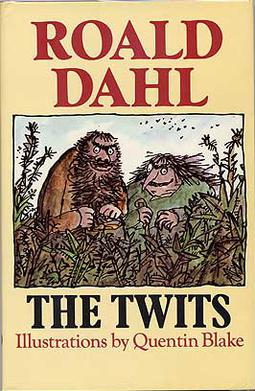
Trying to think of just one book that “changed everything” for me is very difficult. First, I remember a zebra book with crinkly pages that I would read over and over. I remember looking for all the little details in Busytown, I remember a book about Princess Diana and Prince Charles’ wedding, and staring at her wedding dress for hours. I remember Shel Silverstein making me laugh, being both horrified and fascinated by Roald Dahl’s Twits, and an original edition of Nancy Drew and the Hidden Staircase

But if I really HAD to choose, I would pick Anne of Green Gables. I’ll never forget picking it off the thrift store shelf (I was probably around 9 years old), seeing a picture on the cover of Anne with her red hair in a straw hat, liking her hat, and deciding to make it my next book. Anne of Green Gables was the first time I had ever needed to really concentrate on what I was reading. The vocabulary was like nothing I had ever read before, and I fell in love with Anne and all of her whimsy. 

About two years later, I picked it back up off my shelf to read on a long road trip. My second read of the book absolutely blew my mind. I connected so much more, and understood what I was reading on a deeper level. Ever since, I have read Anne at least once a year, if not the whole series. Every time I read, I gain new insight. I love that I can grow up with Anne. 

How do you feel about reading?

I am an avid reader! I have always LOVED reading. I was an only child with busy parents who separated when I was very young, so I had to find ways to entertain myself, and reading was my favourite way to do it. Starting in second grade, I would call my backpack my “library”, because at any given time I would have 5-20 books shoved in there, and was always trying to coerce my friends to borrow my books. I would say I do consider reading to be a form of escapism, but I don’t think that escapism is necessarily a bad thing. 

What types of books do you like to read?

It’s so hard to choose a genre! I would say I gravitate more towards thrillers and mysteries, but I also love a good romance, historical fiction, or dramatic fiction. I especially like novels about women being resilient. 

List some hobbies and things you like to do outside of school.

These days I’m busy with school, but when I can I love to sew, needle felt, cross-stitch, and weave! I also love to cook, bake, and gardening! This last summer I branched into growing flowers, and it was SO rewarding. 

Who are your favourite authors?

I have a preference for female authors. I think it’s because I most resonate with a female-told story, and like to do my best to support women! 

Tell me about the last book you really enjoyed. 

Hmmm, I recently read “A Thousand Ships” by Natalie Haynes. It’s a retelling of the Trojan War, but from the perspective of women. The book was incredibly powerful, and highlighted the resilience of women who come from different backgrounds. 

Tell me a bit about what you’ve been doing over winter break. 

Over the break, I went home to Vancouver Island! I spent as much time with my partner, my family, and my friends as I could. A highlight for me was hosting a holiday dinner party of 15 of my friends – acts of service is definitely a love language of mine and it was so much fun to get to cook for the people I love! I also got to spend a few days with the toddlers I’ve looked after for the last few years, it filled my cup to see them and remember how strong our bond is. 

What topics or subjects do you like to learn about?

Within my Teacher Education program, I’m most interested in my literacy classes! I’ve felt so inspired that I’ve decided to pursue a certificate in language and literacy over the summer. Outside of those classes, I’ve loved courses on Ethnobotany and Environmental Studies. 

If you could read a book about one thing, what would it be?

At this moment, I would love a book that’s a cross between “Little House on the Prairie” and “Great Circle” (by Maggie Shipstead). Or “Little House on the Prairie” and “Harry Potter”. Something wholesome but also a bit dark. In a way that wouldn’t cancel out the two genres!

Newer posts »

© 2026 ms henderson

Theme by Anders NorenUp ↑