A Day of Outdoor Learning
Take Me Outside Day offered a chance to leave the classroom and explore learning in a natural environment. My peers and I joined a local second grade class on a walk to a nearby nature park, where the students immediately shifted into an excited exploratory mindset. I created a scavenger hunt for the class as an introduction to the space, and it was so encouraging and fun to see how many students ran ahead to search for each item with real enthusiasm.
I was paired with two energetic boys and one of my peers. Keeping the boys focused proved challenging because they insisted on communicating exclusively through what they called brainrot language. Although we tried to redirect them gently, the pattern continued throughout the afternoon.
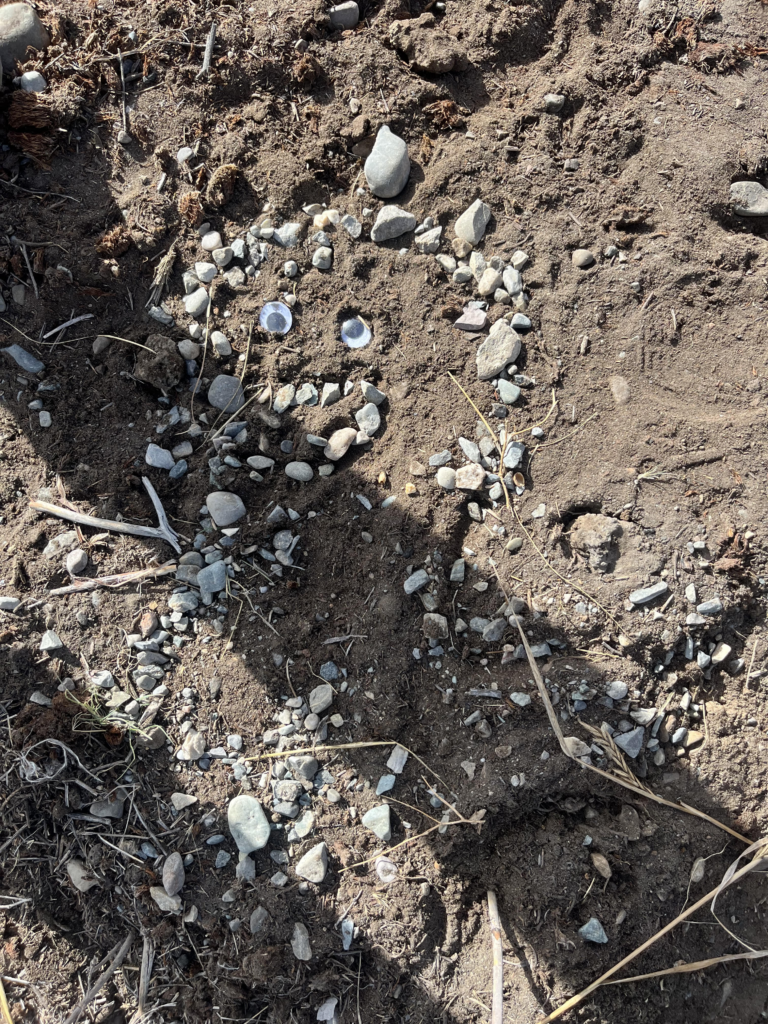
Once the scavenger hunt ended, we invited students to create art using materials from the environment and then use Chatterpix to animate their artwork with recorded audio. The boys in my group stayed playful and added only silly commentary to their creations. While their humor showed comfort and creativity, it also made it harder to guide them toward deeper engagement.
My Emotional Experience
I noticed my own frustration with the communication style the boys used. I tend to rely on quick rapport and warm connection when working with children, and I often view those relationships as the foundation of classroom management. In this situation, I found it difficult to access that strength. The constant brainrot responses made genuine interaction nearly impossible, and none of the strategies from my Classroom Management course shifted the behaviour.
In-situ’s can be tricky, because we have not typically built a prior relationship with the students, we’re there for a short amount of time, and the classroom is not our own. Each teacher has a different plan and expectations for their students, and I hold a of respect for that, so it can be complicated to navigate disruptive behaviour.
At the same time, I felt a lot of joy throughout the afternoon. The weather was beautiful, and the majority of the class fully embraced the scavenger hunt. Seeing students explore, run, search, and collaborate in nature reminded me how powerful outdoor learning can be. Being outdoors changed the energy of the entire afternoon, creating a lively and spirited atmosphere that felt different from typical classroom routines.
Evaluation of the Experience
The experience held several clear strengths. The scavenger hunt successfully captured student interest and encouraged movement, observation, and collaboration. The nature art and Chatterpix component added a creative dimension and gave students a way to blend hands on exploration with digital storytelling.
At the same time, the group dynamic with the boys created obstacles that affected the quality of the activity. Their exclusive use of brainrot language limited communication, and their tendency to feed off each other made redirection difficult. The outdoor setting, although wonderful for learning, also removed many of the structural supports that usually assist with classroom management. Without desks, seating plans, or predictable routines, it was harder to maintain consistent expectations.
Analysis and Connections to Classroom Management
This experience made me consider how important clear expectations are when learning takes place outside the classroom. Students often feel increased freedom in open spaces, which can heighten both engagement and off task behaviour. Without clear norms set before leaving the school building, students may not understand how to balance exploration with responsibility. This is not just for the third grade students, but also for me! Myself and my peer did not know all their routines/procedures, and that led to the boys we were with being reprimanded.
The situation also reminded me that strong rapport, while valuable, does not automatically solve behavioural challenges. Some settings require more structure and more proactive planning than I initially realized. The strategies I attempted were reasonable, yet they did not have the same impact as they would indoors. Outdoor learning shifts the management landscape and requires a different level of preparation.
Finally, this experience reinforced how much students benefit from being outside. Many of them became more focused, more energized, and more curious than they might have been in the classroom. The contrast between the engaged majority and the unfocused pair in my group illustrated that outdoor learning can be powerful, but it must be supported by intentional routines and guidance.
Conclusion
Take Me Outside Day was a valuable reminder that outdoor learning can be joyful, energetic, and deeply engaging, but it also brings unique management challenges. The afternoon taught me that flexibility, structure, and clarity all need to coexist when teaching outside. My frustrations with the boys did not overshadow the value of the day, but they did help me identify areas where my management skills still need to grow.
Action Plan for Future Outdoor Lessons
For future outdoor activities, I plan to:
Introduce expectations clearly before leaving the classroom so all students understand how to communicate and collaborate respectfully.
Prepare strategies for high energy groups that work even without classroom structures. These strategies may include planned pauses, regrouping moments, or specific roles that help students stay focused.
Strengthen my balance between warmth and boundaries so that my connections with students continue to support learning rather than compete with it.
Integrate more outdoor learning in ways that prioritize exploration without sacrificing guidance.